Daylight Saving and Dog Walks: Adjusting Safe Walk Times This Spring
Share
Quick answer: when daylight saving starts, evening walk times that felt like daylight the week before can suddenly land in dusk or low light — the safest fix is to shift your walk time earlier for the first week or two, add visibility gear if you do walk later, and treat the first week after the change as an adjustment period rather than business as usual.
Why the clock change actually matters for dog walks
Most Australian states move clocks forward in early October, which effectively pushes sunset an hour later on the clock — useful once you're used to it, but disorienting for the first week if your usual evening walk time now lands closer to dusk than it did before. Lower light means reduced visibility for both you and your dog, which affects how quickly you'd notice them moving away from you, and how visible they are to cars if any part of your walk is near roads.
Adjusting your schedule for the first couple of weeks
- Shift your walk time earlier for the first week or two, rather than keeping the same clock time and ending up in worse light than you're used to.
- If you do walk later, add visibility gear — a reflective collar or lead, or a small clip-on light, makes a real difference at dusk. Covered in more detail in our night and early-morning walking safety guide.
- Double-check tracker battery and fit before evening walks specifically — lower light makes it harder to notice a loose collar or fitting issue by eye, so it's worth checking by feel too.
- Be extra cautious near roads at dusk — both driver and dog visibility are reduced in the transition period between daylight and full dark.
Why a tracker earns its keep during this transition
Lower light is exactly the kind of condition where a dog getting a few metres further away than usual becomes harder to notice quickly — which is also exactly when a collar-mounted AirTag holder is most useful as a backup. It doesn't replace good visibility habits, but it's a sensible extra layer specifically during the few weeks each year when walk-time lighting is in flux.
FAQs
How long does it typically take to adjust to the new walk-time lighting? Most owners settle into a new rhythm within one to two weeks of the clock change.
Does daylight saving affect all Australian states? No — Queensland, Western Australia and the Northern Territory don't observe daylight saving, so this mainly applies to NSW, VIC, SA, TAS and the ACT.
Is early morning or evening the bigger risk after the change? Evening typically shifts more noticeably into lower light initially; early morning can also be darker for a period depending on your location and the time of year.
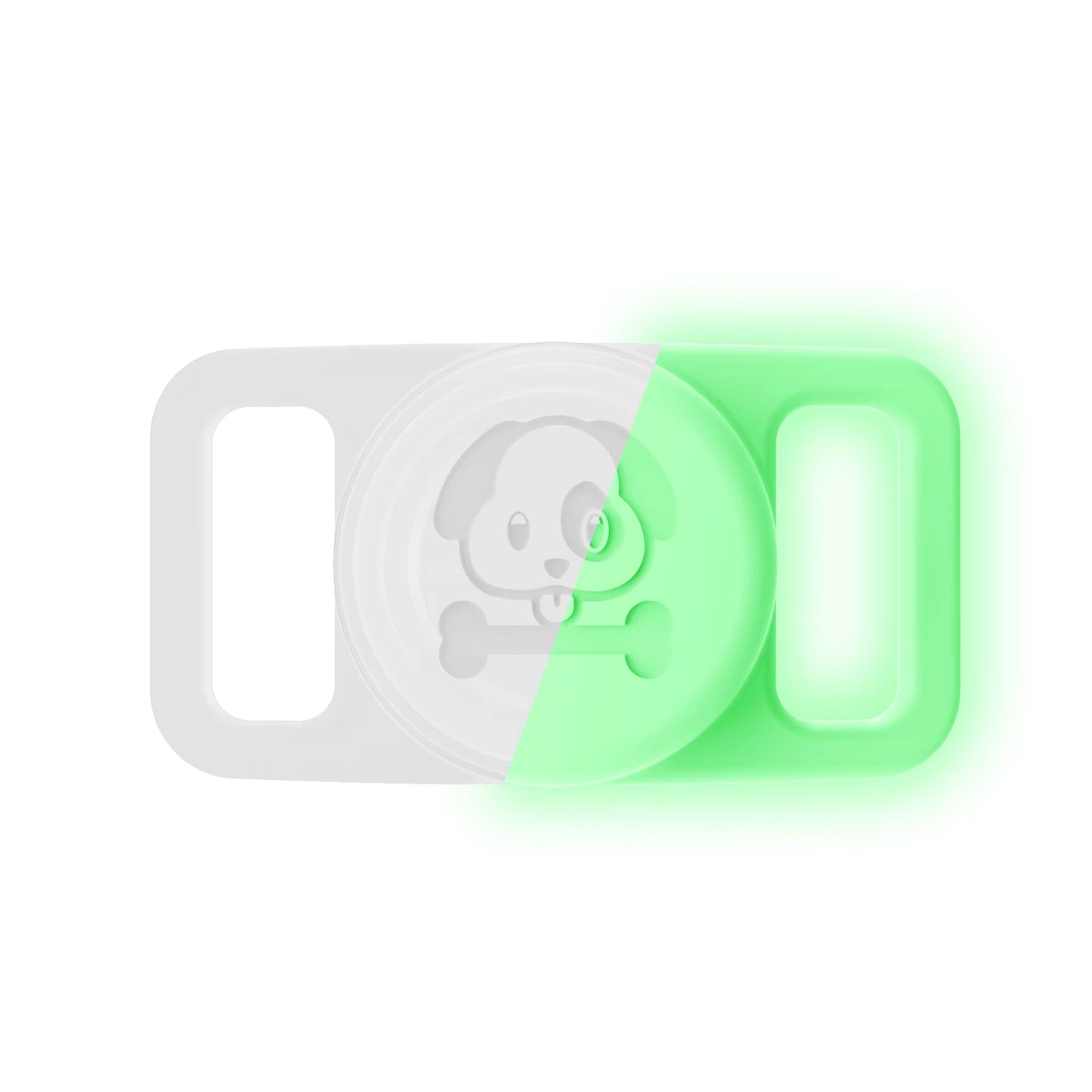
Add a safety layer for lower-light walks: Pawfetchers waterproof AirTag holder.