Is Salt Water Bad for Dogs? Beach Swimming, Drinking Seawater and Rinsing Off
Share
Quick answer: Swimming in the sea is generally fine for healthy dogs, but drinking seawater is not. A few mouthfuls may cause an upset tummy, while drinking a lot can lead to salt toxicity, which can be life-threatening. Bring fresh water, take regular breaks, rinse your dog with fresh water afterwards, and call your vet if they vomit, have diarrhoea or seem unwell.
For many Northern Beaches dogs, a splash in the ocean is the best part of the day. As the weather warms up, it's worth knowing how to keep beach time safe and comfortable.
The main thing to watch is not the swim itself, but how much seawater your dog swallows along the way.
Is it OK for my dog to swim in the ocean?
For most healthy dogs who enjoy the water, yes. Swimming is great exercise and a lovely way to cool off.
Keep a close eye on your dog the whole time, and only let them swim in calm conditions where dogs are allowed. Not every dog is a confident swimmer, and older dogs can tire more quickly. Our complete guide to dog beach safety covers waves, rips and more.
What happens if my dog drinks seawater?
Many dogs swallow a little seawater while swimming, fetching a ball or biting at waves. The American Kennel Club notes a few mouthfuls may only cause diarrhoea.
Drinking larger amounts is more serious. The Animal Emergency Service explains that drinking seawater can cause salt toxicity, also called hypernatraemia. This is when the salt level in the blood becomes dangerously high.
Dogs who love catching waves or playing fetch in the shallows can gulp down more than you'd expect. So it's worth keeping an eye on how much they're swallowing.
What are the signs of salt water poisoning in dogs?
The Animal Emergency Service and the American Kennel Club list these signs:
- Excessive thirst
- Vomiting, often within a few hours
- Diarrhoea
- Lethargy, weakness or seeming "flat"
- Confusion, wobbliness or acting strangely
- Muscle tremors or seizures
- Collapse (in severe cases)
Call your vet if your dog vomits or has diarrhoea after a beach day, even if it's the only sign. If you notice confusion, tremors, seizures or collapse, go to a vet or emergency hospital straight away.
Save your local after-hours clinic now with our Northern Beaches emergency vet contacts.
How do I stop my dog drinking seawater?
- Bring plenty of fresh water and a portable bowl. The AKC says constant access to fresh water is the best thing you can do.
- Offer a drink before your dog is thirsty, ideally before they even reach the water.
- Take regular breaks out of the water, around every 10 to 15 minutes, with a rest in the shade.
- Keep fetch games short. Throwing a ball into the waves again and again means more mouthfuls of seawater.
- Watch for gulping. If your dog keeps drinking from the sea, take them out of the water for a while.
Drinking too much fresh water while swimming can also upset a dog's salt balance, so breaks matter in pools and lakes too.
Should I rinse my dog after swimming in the sea?
Yes. A good rinse with fresh water is a simple, worthwhile habit after every sea swim.
The Animal Emergency Service recommends rinsing your dog thoroughly so they don't lick dried salt off their coat. Rinsing also washes away sand and helps keep their skin comfortable.
- Rinse at the beach shower or at home with fresh, lukewarm water.
- Work from the neck down to the tail, getting right down to the skin.
- Rinse the paws and between the toes, where sand and grit collect.
- Keep water out of the ears while rinsing.
- Towel dry well, then let your dog finish drying in the shade.
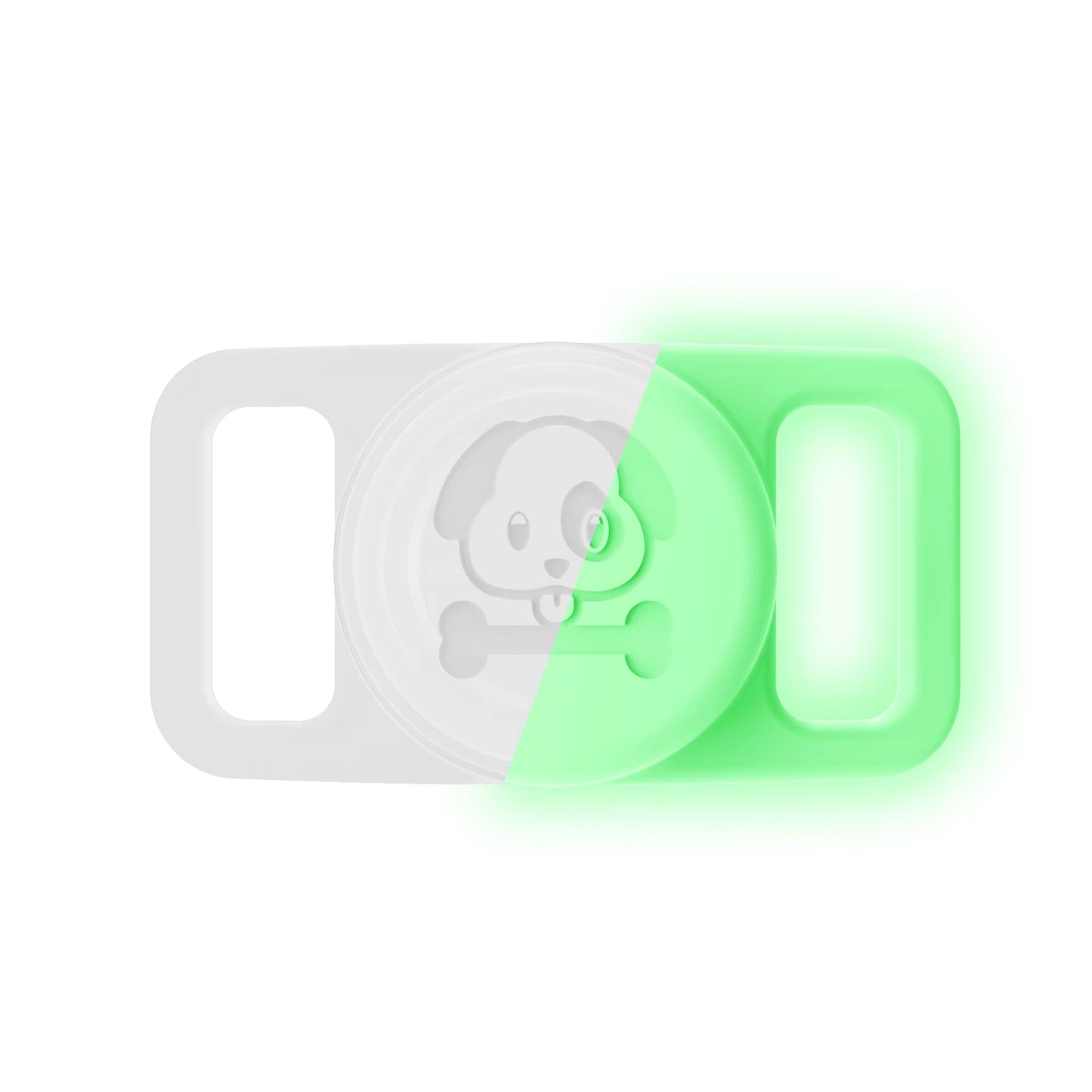
If your dog wears an AirTag in a Pawfetchers holder on their collar, it's a good moment to rinse the collar and holder too. The holder is rated waterproof to 1m for 30 minutes.
How do I look after my dog's ears and paws after the beach?
RSPCA WA notes that dogs with floppy ears are prone to infection, so gently dry the ears after swimming. A cotton ball works well to soak up moisture from the outer ear.
Call your vet if your dog keeps shaking their head, scratches or paws at their ears, or the ears look red. Also check paws for cuts, and watch for lots of licking, which can be a sign of irritation.
Is it bad if my dog eats sand?
A little sand on a ball isn't usually a problem, but a lot can be. The Animal Emergency Service warns that swallowing too much sand can cause a blockage in the intestines, known as sand impaction.
Signs include vomiting, loss of appetite, a sore or swollen tummy, constipation and lethargy. Seek vet care immediately if you notice these. To help prevent it, discourage your dog from eating or digging excessively in the sand.
FAQs
How much salt water is too much for a dog?
There's no safe number to go by, as it depends on your dog's size and health. Small amounts may cause a mild tummy upset, while larger amounts can be dangerous. Limit swallowing with regular breaks and fresh water, and call your vet if you're worried.
Is salt water good for my dog's skin?
It's best not to leave salt water on your dog's coat. Rinse with fresh water after swimming so they don't lick dried salt off, and to keep their skin comfortable.
My dog vomited after the beach. What should I do?
Call your vet for advice. Vomiting can be an early sign of drinking too much seawater or eating sand. Go straight to a vet if your dog seems confused, wobbly, weak or has a seizure.
Do I need to dry my dog's ears after swimming?
Yes, especially if your dog has floppy ears. Gently wipe the outer ear with a cotton ball, and see your vet if you notice head shaking, scratching or redness.
Swim days made simpler: the Pawfetchers waterproof AirTag holder clips onto collars 15–25mm wide and fits all Apple AirTag models. $19.99 with free Australian shipping. AirTag sold separately.