Puppy-Proofing Your Home and Yard: A New Owner's Room-by-Room Checklist
Share
Quick answer: puppy-proofing comes down to three things done properly before your puppy arrives: removing or securing anything toxic or chewable at puppy height, closing off every gap a small, determined animal could fit through, and having your safety basics (ID, registration timeline, vet check) sorted before you need them, not after. Here's the room-by-room version.
Before your puppy comes home
- Get down to puppy height (literally, on your hands and knees) in every room and look for what's now within reach — the view from a puppy's eye level is dramatically different from your own.
- Identify and secure or remove household chemicals, medications, and anything small enough to be swallowed — puppies explore with their mouths far more than adult dogs.
- Check your fence line and gates now, not after your puppy has already found the gap — a young puppy can fit through spaces an adult dog couldn't, so this is a separate check from general backyard security.
- Book your puppy's first vet visit and start of vaccination schedule before or immediately after arrival, and ask your vet about the right timing for microchipping if it isn't already done.
Kitchen
The kitchen is one of the highest-risk rooms for a curious puppy, mostly due to food.
- Chocolate, grapes and raisins, onions and garlic, and xylitol (found in sugar-free gum, some peanut butters, and baked goods) are all toxic to dogs — store them well out of reach, not just "on the counter."
- Bin access is a common puppy habit — a lidded, weighted bin prevents both mess and the risk of them eating something genuinely dangerous (cooked bones, packaging, spoiled food).
- Keep cupboard doors that hold cleaning products either childproofed or simply kept shut — a bored puppy will investigate anything that opens.
Living areas
- Electrical cords are a genuine chewing hazard for teething puppies — cord covers or simply routing cords out of reach solves most of this.
- Small objects at floor level (remote controls, phone chargers, children's toys with small parts) are a swallowing risk — a general "floor level tidy" habit during the puppy stage prevents most emergency vet trips.
- Houseplants: several common indoor plants are toxic to dogs, including some lilies, and various succulents — if you're unsure about a specific plant, it's worth a quick check before assuming it's safe.
Bathroom and laundry
- Keep the toilet lid down — beyond the obvious hygiene issue, some cleaning products used in toilet bowls are genuinely toxic if a puppy drinks from it.
- Laundry detergent pods and other concentrated cleaning products should be stored up high, not under the sink where a puppy can reach with minimal effort.
- If you use a laundry as puppy's overnight or confinement area, check it for gaps behind appliances a puppy could squeeze into and get stuck.
Backyard and garden
This is where puppy-proofing overlaps most directly with the escape-prevention advice that matters for the rest of your dog's life, so it's worth doing properly now rather than revisiting it later.
- Walk the entire fence line at ground level specifically looking for gaps a small puppy could fit through — not just obvious holes, but narrow gaps under gates and between palings that an adult dog couldn't use but a puppy can.
- Check for and remove access to garden chemicals, snail bait (genuinely dangerous to dogs), and mulch made from cocoa shells if you use it, which contains the same toxic compound as chocolate.
- Identify any toxic garden plants common in Australian backyards — several ornamental and native varieties are toxic to dogs, so it's worth a specific check of what's already growing in your yard.
- Secure pool areas if you have one — a puppy that falls in unsupervised, particularly before they're confident swimming, is a genuine drowning risk.
- If you have a garage or shed accessible from the yard, check for antifreeze, rodent bait, and other chemicals stored at floor level — antifreeze in particular is highly toxic and has a sweet taste dogs are drawn to.
The safety basics worth sorting early
Beyond physical proofing, a few administrative and identification basics are much easier to sort in the calm first weeks than to scramble for later:
- Microchip and register your puppy within your state's required timeframe (commonly by around 12 weeks, though this varies — check your state's current requirement).
- Get a properly fitted collar with an ID tag as soon as your puppy is comfortable wearing one, even before they're fully vaccinated and going on full walks.
- Take a few clear, recent photos of your puppy now — useful for registration, vet records, and, if it's ever needed, a lost-pet flyer.
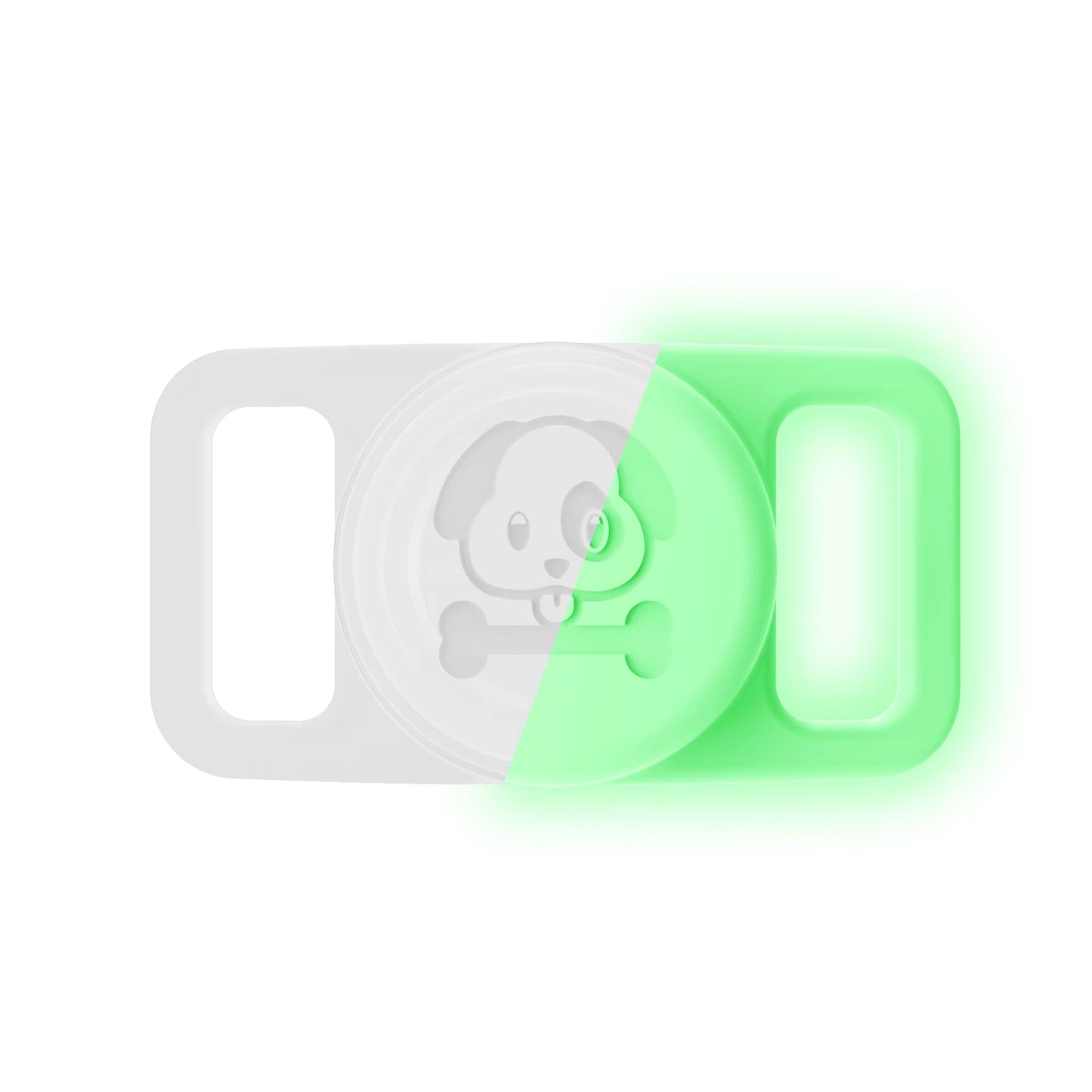
- Once your puppy is old enough and settling into a routine, a secure, correctly sized AirTag holder is worth adding — puppies are, on average, more prone to slipping out of gaps and less reliable on recall than adult dogs, which makes the early months a genuinely higher-risk window.
FAQs
At what age should I start puppy-proofing? Before your puppy arrives home, ideally — puppies explore immediately and don't need to be mobile for long to find trouble.
What's the most commonly missed puppy-proofing spot? Floor-level gaps behind and under large appliances or furniture, and small fence gaps that look too small to matter but aren't for a young puppy.
Do I need a different tracker size for a puppy versus an adult dog? Puppies grow quickly, so a collar (and any attached holder) needs to be checked and adjusted regularly rather than fitted once and forgotten — a collar that fit at 10 weeks won't fit at 20.
Is it too early to worry about my puppy going missing? No — young, untrained puppies are statistically more prone to slipping leads and squeezing through gaps than adult dogs with established recall, which makes early prevention genuinely worthwhile rather than premature.
Once your puppy's collar fits properly, a secure, waterproof AirTag holder is a sensible next addition. See how Pawfetchers works.