Storm and Fireworks Anxiety: A Complete Survival Guide for Australian Dogs
Share
Quick answer: storm and fireworks anxiety in dogs is a genuine fear response, not a training failure or "bad behaviour." The most effective approach combines a safe, familiar space during the event itself, gradual desensitisation well before the season it matters, and — for severe cases — a conversation with your vet about management options. There's no single trick that fixes it overnight, but there's a lot you can do to make it noticeably better.
Why this happens
Fear of loud, sudden, unpredictable noise is common in dogs. Vets and animal welfare groups such as the RSPCA describe it as a real stress response, not an overreaction or a sign of poor training.
This matters because it changes how you respond. A fearful dog isn't being dramatic or manipulative — they're genuinely stressed, and punishing or dismissing it tends to make things worse, not better.
Recognising the signs
Storm and fireworks anxiety doesn't always look like obvious panic. Common signs include:
- Pacing, panting, or trembling that starts before you can hear or see anything yourself (many dogs react to approaching storms early)
- Hiding in unusual spots — under beds, in bathrooms, behind furniture
- Excessive drooling or lip-licking
- Destructive behaviour, particularly around doors and windows, as a dog tries to find an exit
- Attempts to escape the yard or house entirely — the NSW Office of Local Government notes summer, with New Year's Eve fireworks, is a peak time for pets going missing
What to do during the event
On the night itself, the goal is to make your dog feel as secure as possible, not to "fix" the fear in the moment:
- Bring them inside, into a familiar, low-stimulus room — away from windows if possible, since flashes can add to the stress.
- Provide a den-like space if your dog naturally seeks one out — a covered crate, or a quiet corner with their bed.
- Stay calm yourself. Dogs pick up on your energy.
- Background noise — a TV, white noise, or music — can help mask the sharper sounds outside.
- Don't force interaction or restraint if your dog wants to hide — let them choose their spot, and make sure it's secure so they can't bolt from it.
Desensitisation: the longer-term approach
This needs to start well before the season it matters — not the week before New Year's Eve.
The general method: play recorded storm or firework sounds at a very low volume, well below the level that triggers any visible stress, paired with something positive (treats, play, calm affection). Gradually increase the volume over many sessions, always staying below the threshold that causes anxiety. Done consistently over weeks to months, this can reduce the fear response for many dogs. It's slow and not guaranteed, so ask your vet or a qualified behaviourist to help set it up.
When to talk to your vet
For dogs with severe anxiety — destructive escape attempts, self-injury, or distress that doesn't respond to management — talk to your vet ahead of the known high-risk period (storm season, New Year's Eve), rather than on the night. Vets can discuss options from anxiety wraps and pheromone products through to medication for severe cases.
The backup plan for when prevention isn't enough
Even with good management, a frightened dog can occasionally still get loose — a gate left open, a window ajar, a moment of panic. Make sure your dog's ID tag and microchip details are current, and consider an AirTag on the collar fitted on a calm day beforehand. It won't prevent a bolt, but Find My can show where your dog was last detected by nearby Apple devices, giving you somewhere to start searching.
FAQs
Can dogs sense storms before humans do? Many dogs react to storms before people notice them, possibly due to changes in air pressure, distant thunder or static — which is why anxiety can start before you're aware a storm is coming.
Should I comfort my dog during a storm, or will that reinforce the fear? Calm reassurance is generally fine — comfort doesn't reward fear. What's worth avoiding is anxious, panicked energy from you.
Do thundershirts and anxiety wraps actually work? Some owners and vets report they help some dogs, though results vary and they work best as one part of a broader plan.
Why does my dog try to escape during storms? It's a fear response, not defiance — a panicked dog looks for an exit and may try routes a calm dog never would.
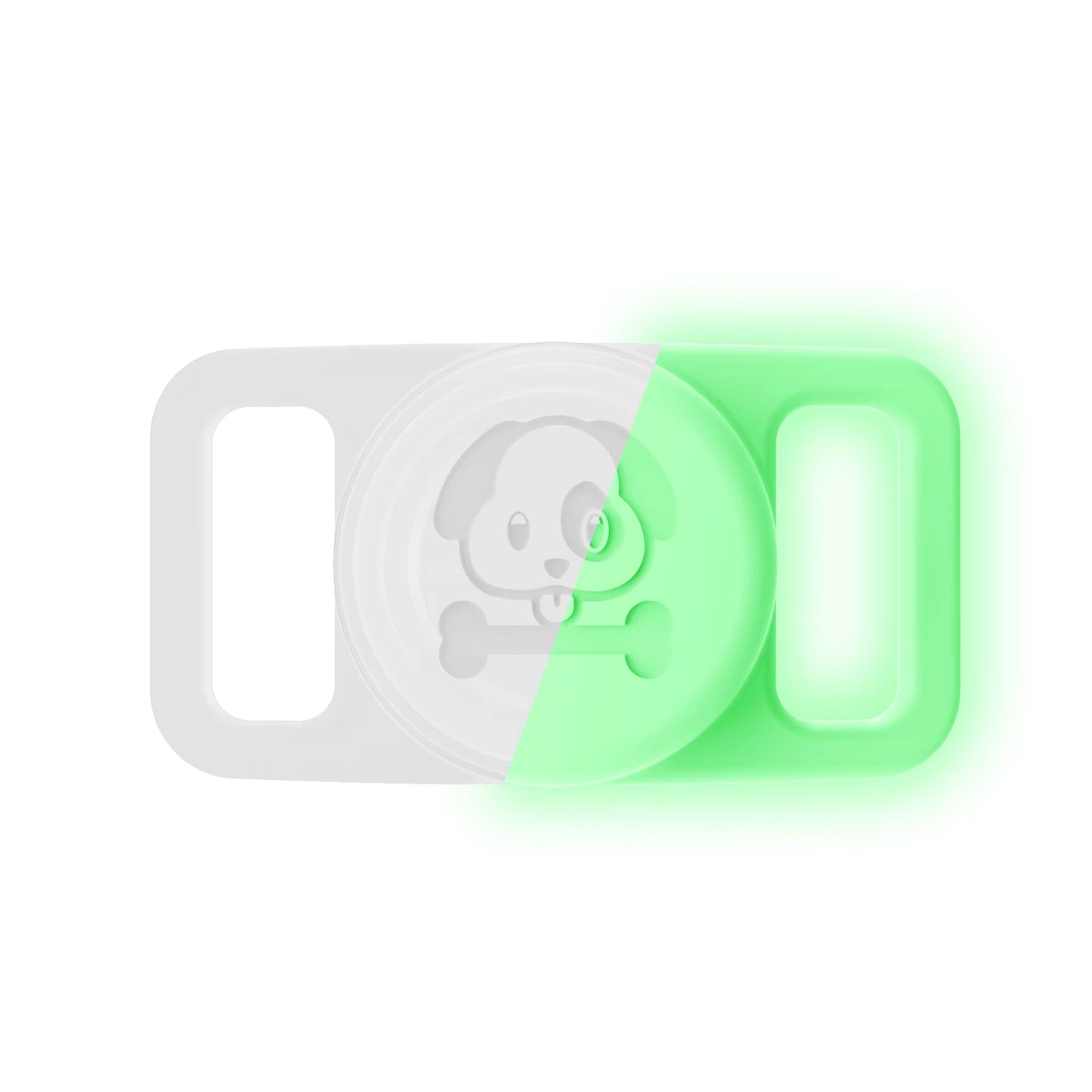
If storms or fireworks are a known trigger for your dog, sort the backup plan on a calm day. See the Pawfetchers waterproof AirTag holder (AirTag sold separately).