Moving House With a Dog: An Escape-Proof Plan for the First Two Weeks
Share
Quick answer: the riskiest moments are moving day itself (doors propped open, removalists coming and going) and the first couple of weeks in the new place, when your dog doesn't know the area. Keep your dog away from the action on the day, check every fence and gate at the new house before they explore, walk them on lead until they know the streets, and update your microchip details — in NSW you must update your address within 14 days.
RSPCA NSW lists doors or gates left open, fear in a new environment, and broken or low fences as common moving-time risks. Here's how to plan around each one.
Two weeks before the move
- Visit the new area on walks if it's close enough, so the smells aren't brand new. RSPCA Australia suggests this where possible.
- Find a new vet and the nearest 24-hour emergency vet.
- Look up your new council's off-leash areas and pound contact.
- Keep routines steady: same walk and meal times, and pack your dog's bed and toys last.
- Organise moving day care: a friend, family member or boarding kennel.
Moving day
- Best option: your dog is somewhere else. RSPCA NSW says many people find it easiest to leave their dog with a trusted friend or at boarding.
- If your dog has to be home, shut them in a quiet room with a sign on the door, or in a crate they're used to.
- Don't tie your dog up outside. RSPCA NSW advises against it.
- Transport them safely: a secured crate or a car harness.
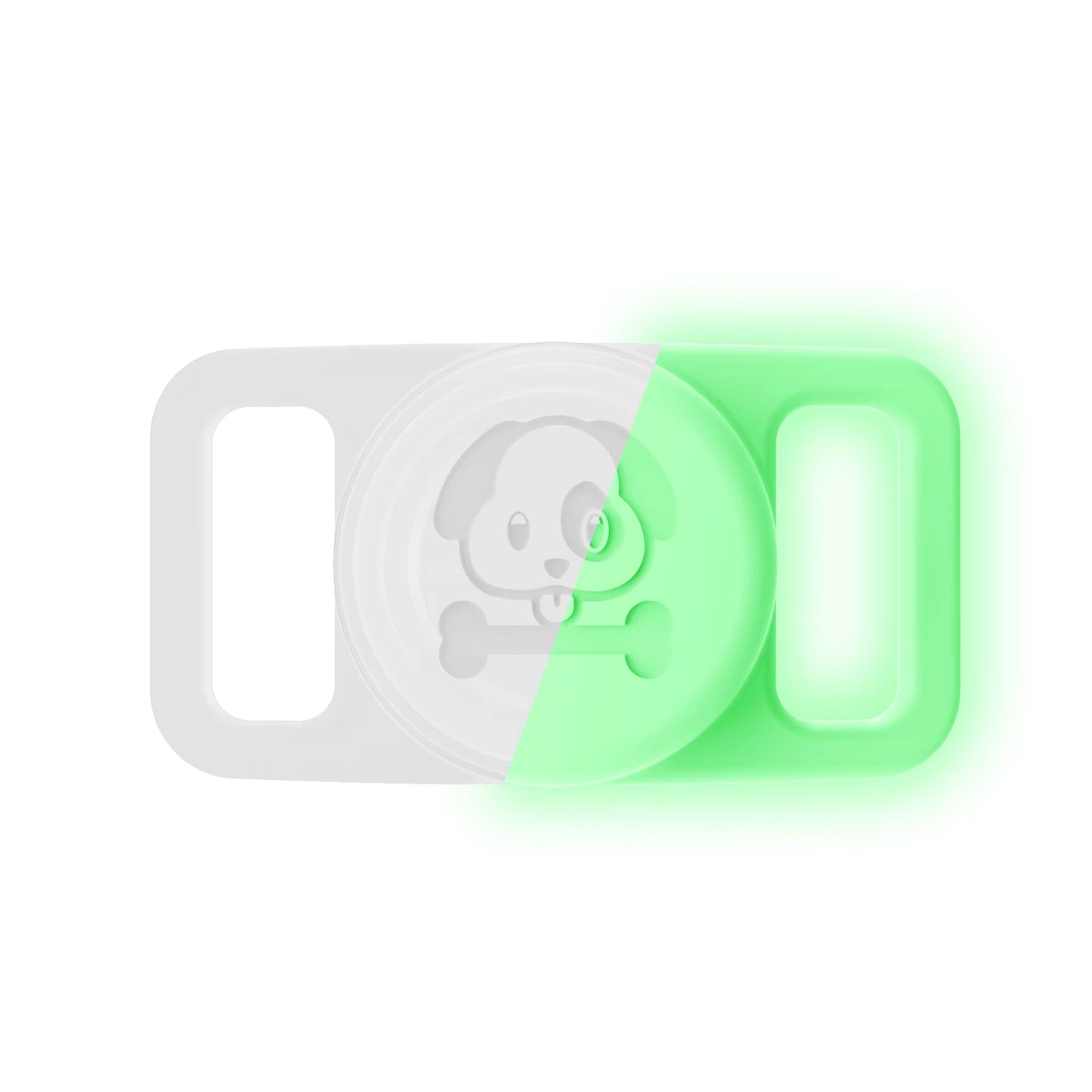
- Keep ID on the collar the whole day. If you use an AirTag, check it's in the holder and showing in Find My.
Before your dog explores the new house
Walk the whole boundary first. RSPCA NSW suggests checking for:
- Broken or low fences your dog could jump or dig under
- Gates that don't latch properly
- Balconies, and furniture your dog could climb on to jump from
- Dangerous items left where pets can reach them
Even a fence that looks fine can fail. RSPCA Australia advises supervising your dog as they explore, because a gate you judged escape-proof may not be. Our backyard dog-proofing guide goes through fixes.
The first two weeks
- Lead walks only until your dog knows the neighbourhood. A dog that bolts in an unfamiliar suburb may not find its way back.
- Same routine as the old house: meals, walks, bedtime.
- Introduce yourself to neighbours with a photo of your dog and your number.
- Watch for escape attempts: digging along fences, pacing at gates, jumping at windows.
- Give them a safe spot with familiar bedding.
Update your details (NSW)
- Log in to the NSW Pet Registry and update your address and phone number. The NSW Pet Registry says owners must update contact or address details within 14 days. There's no fee.
- Update your dog's ID tag if your number changed.
- Tell your vet, pet insurer and anyone who minds your dog.
Moving from another state? Check how your new state registers dogs. See dog registration by state.
If your dog gets out after a move
Search both the new area and the old one — some dogs try to head "home". Turn on AirTag Lost Mode if your dog wears one, mark them missing on the registry, and call both councils' pounds. Our first 24 hours guide has the full plan.
FAQs
How long does it take a dog to settle into a new house?
Every dog is different. Some settle in days, others take weeks. Keep routines steady and supervise outdoor time until they're relaxed.
Do I need to re-register my dog when I move in NSW?
No new registration is needed within NSW, but you must update your address on the NSW Pet Registry within 14 days.
Should my dog stay at home on moving day?
If you can, no. A friend's place or a boarding kennel keeps them away from open doors and stress.
Moving with a dog? Keep an AirTag on their collar in a Pawfetchers waterproof holder (AirTag sold separately). In a new suburb, a last detected location can save hours of guessing.