Paralysis Ticks on the Northern Beaches: A Spring and Summer Guide for Dog Owners
Share
Quick answer: The paralysis tick (Ixodes holocyclus) lives along Australia's east coast, including the Northern Beaches, and is most active from spring to autumn. Search your dog with your fingertips every day, especially around the head, neck and ears. If you find a tick or notice wobbly back legs, a changed bark, gagging or laboured breathing, remove the tick and see a vet urgently, even at night.
Spring on the Northern Beaches means longer walks, warmer days and, sadly, paralysis ticks. They are small, easy to miss and can make a dog very sick.
The good news is that a few minutes a day can make a huge difference. Here is what every local dog owner should know.
What is a paralysis tick?
The paralysis tick, Ixodes holocyclus, is a small parasite that attaches to an animal and feeds on its blood. While it feeds, it releases a toxin that can cause weakness and paralysis.
RSPCA Australia describes tick paralysis as "a life threatening condition that requires urgent veterinary attention". Ticks usually live on native animals in bush and scrub, but they happily climb onto dogs and cats passing by.
Are paralysis ticks a problem on the Northern Beaches?
Yes. RSPCA Australia says paralysis ticks are generally found on the eastern seaboard, from North Queensland down to Victoria. RSPCA NSW notes they are prevalent along the NSW coast.
The Northern Beaches has plenty of the bushland, scrub and native wildlife that ticks love. RSPCA NSW also points out that pets can pick up ticks in backyards and local parks, not just on bush walks.
When is paralysis tick season?
In southern areas such as Sydney, RSPCA Australia says tick season usually runs from spring to late autumn. It can start earlier or finish later, for example after a mild winter.
RSPCA NSW says ticks are most common in spring, summer and early autumn, but can appear at any time of year. So it is worth keeping up daily checks all year round.
How do I check my dog for ticks?
A daily tick search is the single most important habit. RSPCA Australia calls a thorough search of the skin and coat "the most essential preventative measure", even if your dog is on a tick product.
- Pick a calm time and good light. After the evening walk works well for many people.
- Take the collar off. Ticks can hide underneath it.
- Use your fingertips, not just your eyes. Run them slowly through the coat, feeling for small lumps or a raised "crater" where a tick has been.
- Start at the nose. Most ticks are found in front of the front legs, so check the face, around the eyes and lips, inside and behind the ears, and the neck very carefully.
- Work back to the tail. Check under the front legs, the chest, skin folds, between the toes, the belly and groin, the back legs, and around the tail and bottom.
- Do it every day. Especially after time in bushland, long grass or garden beds.
Long or thick coats take longer, so be patient and go slowly. Ticks are easy to miss, so feel carefully rather than relying on a quick look.
What are the signs of tick paralysis in dogs?
Signs can start subtly and then worsen. RSPCA Australia and RSPCA NSW list:
- Wobbly or weak back legs, or trouble standing
- A change in the sound of the bark
- Gagging, retching, coughing or vomiting (sometimes frothy)
- Drooling
- Loss of appetite
- Laboured, noisy or rapid breathing
- Weakness that spreads to the front legs
If you notice any of these, don't wait to see if they pass. Call your vet straight away.
What should I do if I find a paralysis tick on my dog?
- Remove the tick straight away. Grip it at the head, close to the skin, without squeezing the body. A tick removal tool from a pet store can help.
- Kill the tick safely. RSPCA Australia suggests wearing gloves and dropping the tick into alcohol. Keep it in a small sealed container.
- Keep your dog calm, quiet and cool. RSPCA NSW says stress can speed up the effects of the toxin.
- Don't give food, water or anything by mouth. Affected dogs may have trouble swallowing and could breathe it in.
- Call your vet immediately, even if the tick is out and your dog seems fine. After hours, go to a 24-hour emergency hospital. As RSPCA NSW puts it, "Do not wait until the morning."
- Keep searching. Where there is one tick there may be more.
Not sure where to go after hours? Our Northern Beaches emergency vet contacts list is a good one to save now. For more emergency basics, see our dog first aid guide.
How can I protect my dog from paralysis ticks?
- Talk to your vet about tick prevention. There are several vet-recommended products. Your vet can help you choose the right one for your dog's age, size and health.
- Never use dog tick products on cats. RSPCA Australia warns some can be very dangerous to cats.
- Keep up the daily search. No product replaces a hands-on check.
- Avoid tick-prone bush and scrub during tick season where you can.
- Tidy the garden. Keep lawns and shrubs trimmed short and remove compost heaps.
Many of us walk at dawn and dusk in the warmer months, when bushy tracks are cool and quiet. Our guide to daylight saving and safe walk times has more ideas for planning spring walks.
FAQs
Can my dog get paralysis ticks at the beach?
Ticks favour bushland and scrub rather than open sand. But coastal reserves, dunes with scrub and grassy areas near the beach can all carry ticks, so search your dog after every outing.
Is my dog safe if it's on a tick prevention product?
Products can greatly lower the risk, but RSPCA Australia still recommends a thorough daily search. Ask your vet which product suits your dog and how often to use it.
How fast does tick paralysis develop?
It varies, and signs can worsen quickly once they start. That is why vets say to seek help immediately, rather than waiting to see if your dog improves.
Can my dog pick up a tick in my own backyard?
Yes. RSPCA NSW says pets can pick up ticks in backyards and local parks, not only in bushland. Keeping lawns and shrubs short and removing compost can help, but daily searches are still essential.
Should I take my dog to the vet if I've already removed the tick?
Yes. RSPCA NSW advises contacting a vet immediately, even if the tick has been removed and there are no symptoms yet.
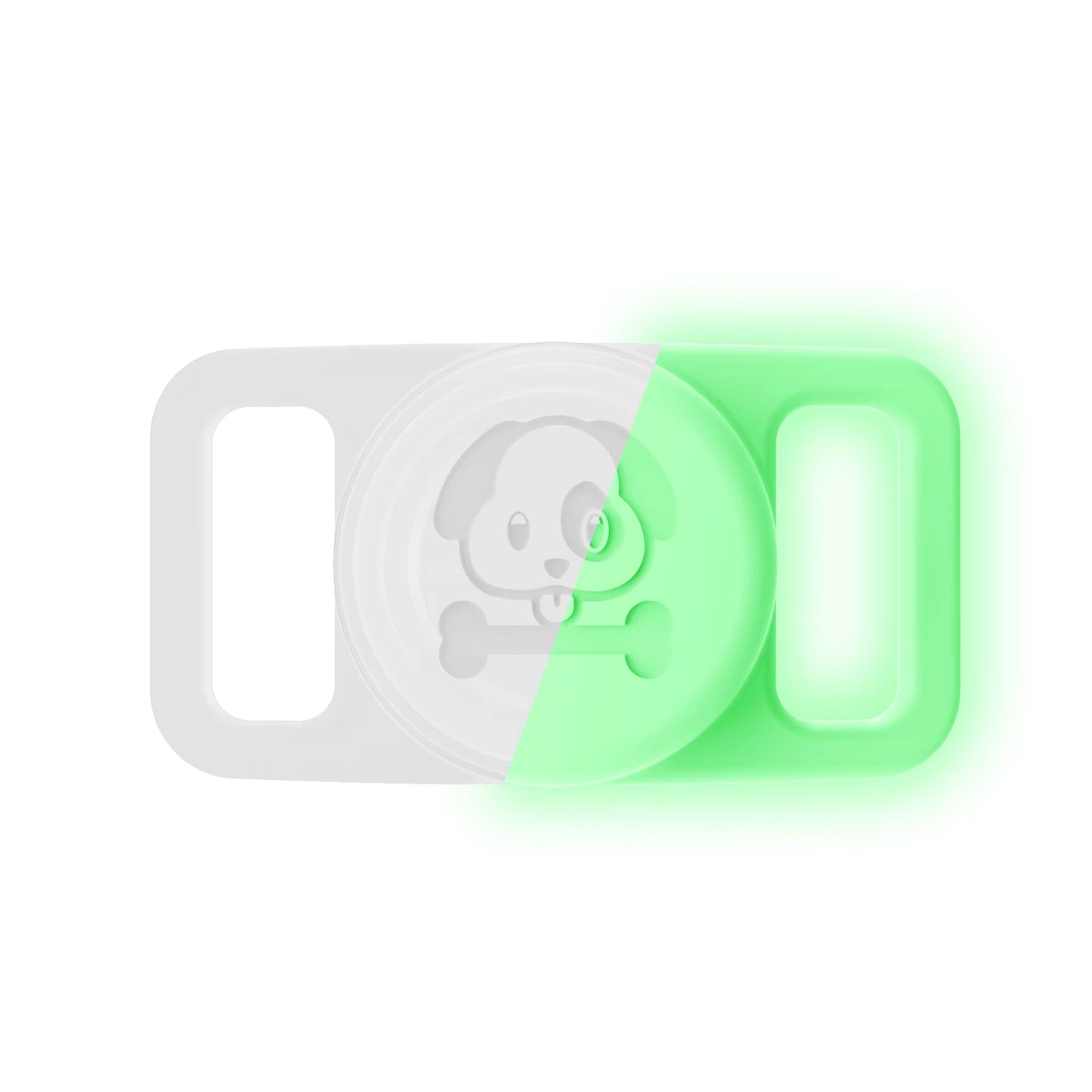
The Pawfetchers AirTag holder is a waterproof silicone holder that clips an Apple AirTag onto collars 15–25mm wide. AirTag sold separately.